

Music in the Jungle: The Hidden Baroque Archive of Bolivia’s Jesuit Missions
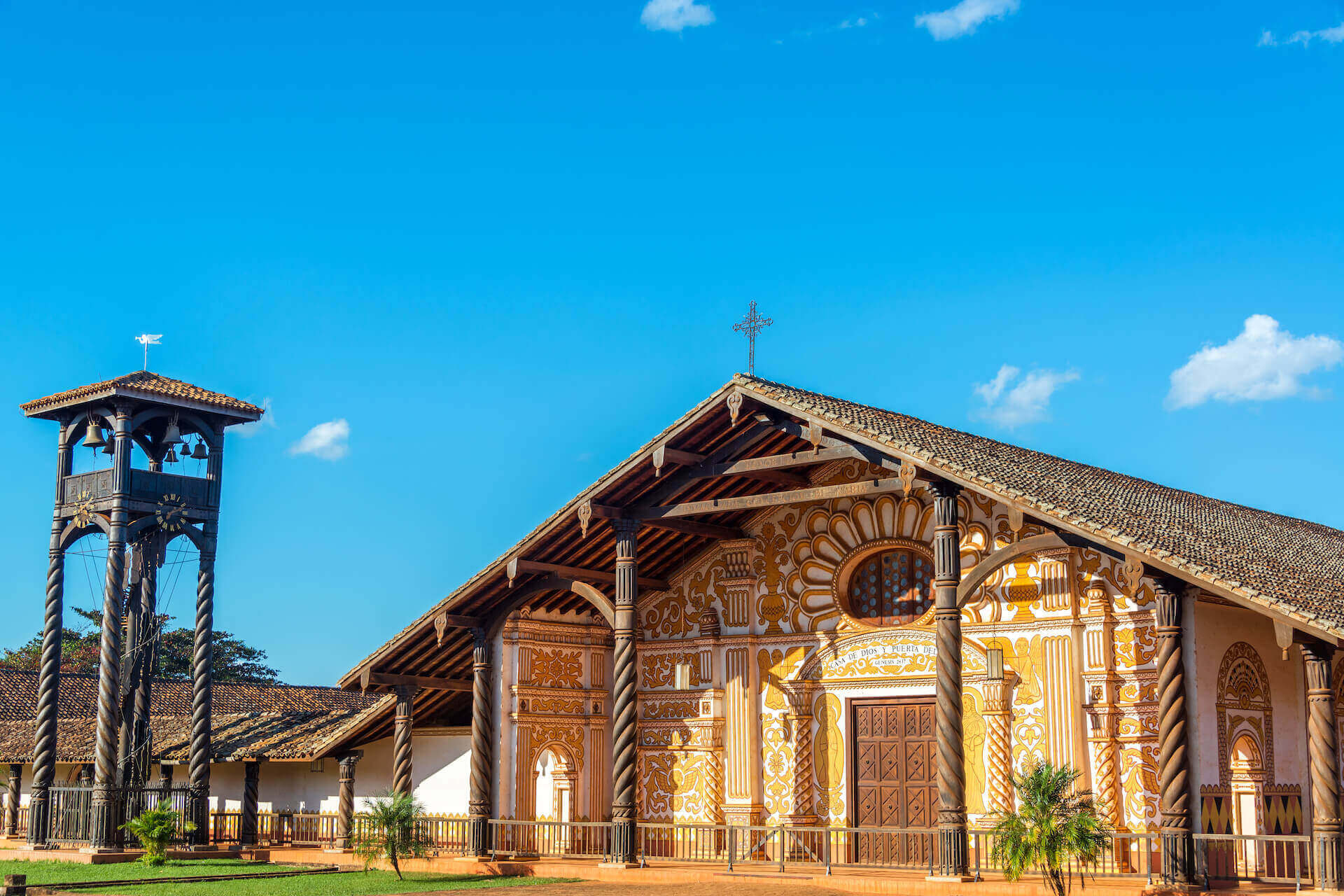
When travelers visit the former Jesuit missions of the Chiquitania, in the tropical lowlands of eastern Bolivia, they are often captivated by the beauty of their wooden churches, the quiet rhythm of their plazas, and the feeling of having arrived somewhere time seems to move more slowly. Yet few realize that beyond their remarkable architecture, this region holds one of the most fascinating musical treasures in the Americas: a Baroque music archive in Bolivia preserved within the Jesuit missions.
Much of this archive is preserved in the mission town of Concepción, where for decades thousands of historical music manuscripts were kept in sacristies and church cabinets. These scores date mainly from the 17th and 18th centuries, when the Jesuits established a network of organized communities—known as reductions—throughout the region.
When Music Was Part of Everyday Life
When the Jesuits founded the reductions (from 1691 onward), they introduced a highly structured educational model. Each mission typically included a school, a church, artisan workshops, and a music school.
Jesuit chroniclers were often amazed at how quickly indigenous students mastered music. They wrote that young musicians could read scores and perform complex pieces in a short time and had an exceptional musical ear.
Music played a central role in the daily life of the missions. The Jesuits established schools where indigenous youth learned to sing in polyphonic choirs, read music, and play European instruments such as violins, flutes, trumpets, harps, and organs.
In some towns, full orchestras were formed, and religious celebrations could involve dozens of musicians. Interestingly, many of these instruments were not only imported but also crafted locally using regional woods. Even today, in some villages of the Chiquitania, workshops continue to build violins following this tradition.
An Extraordinary Musical Education System
When the Jesuits founded the reductions (from 1691 onward), they introduced a highly structured educational model. Each mission typically included a school, a church, artisan workshops, and a music school.
From a young age, children were trained in:
music reading
choral singing
instruments
music theory
composition
Jesuit chroniclers were often amazed at how quickly indigenous students mastered music. They wrote that young musicians could read scores and perform complex pieces in a short time and had an exceptional musical ear.

European and Indigenous Composers
For a long time, it was assumed that all the music performed in the missions had been composed by European missionaries. However, the study of the manuscripts revealed something even more remarkable: many of these works were written by indigenous composers trained within the missions themselves.
This highlights the high level of musical development achieved in these communities, deep in the heart of South America.
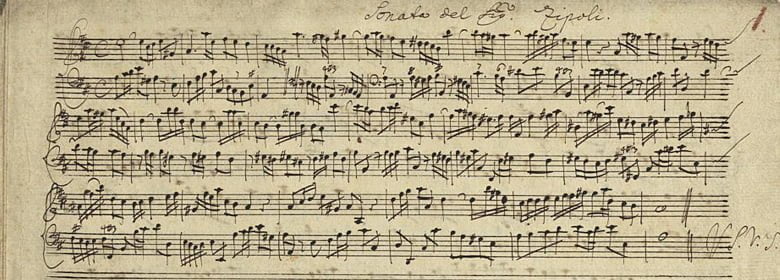
The archives also include works by important figures of Latin American Baroque music, such as the Italian Jesuit Domenico Zipoli and the Swiss missionary Martin Schmid, both of whom contributed significantly to the musical life of the missions.
Why This Music Survived
Perhaps the most surprising part of this story is how this music survived.
After the expulsion of the Jesuits in 1767, many missions across the Americas were abandoned and fell into decline, and much of their cultural heritage was lost.
In the Chiquitania, however, things unfolded differently. Due to the region’s geographic isolation, communities remained in place, churches continued to function, and music remained part of everyday religious life. The manuscripts were preserved for more than two centuries.
The Rediscovery of the Archive
The modern rediscovery of this musical heritage began in the 1970s, when Swiss architect Hans Roth—working on the restoration of several mission churches—came across thousands of pages of historical music.
Later, Polish musicologist Piotr Nawrot dedicated many years to studying and cataloguing these works, bringing to light the extraordinary richness of the missions’ musical repertoire.
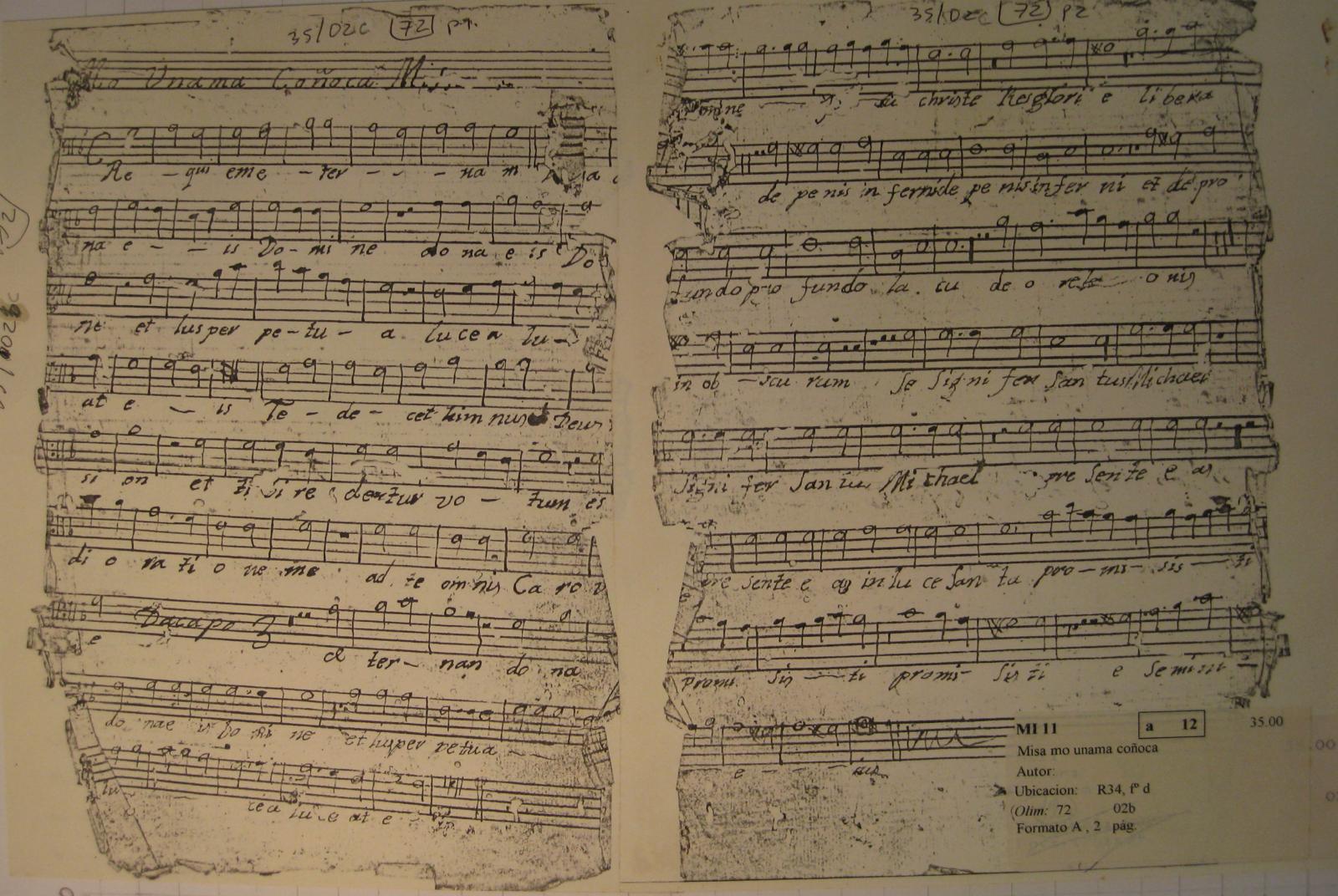
Manuscript of the mass “Mo unama coñoca” (“Lord, hear us”)
Today, thousands of manuscripts and compositions are known, including masses, villancicos, motets, and instrumental works. Some of these pieces have not been identified in any other known archives, making the Chiquitania an exceptional place for understanding the history of Baroque music in the Americas.
A Living Tradition
Perhaps the most remarkable aspect is that this music has never fallen silent.
It is still performed regularly in these former Jesuit mission towns, and every two years, during the International Festival of Renaissance and Baroque Music “Misiones de Chiquitos”, musicians from around the world travel to the region to perform these works in the very same churches where they were first heard more than 250 years ago.
Listening to a Baroque concert in a mission church in the Chiquitania is not just a musical experience—it is a journey through time, and a rare opportunity to encounter one of the most unique cultural legacies in the Americas.